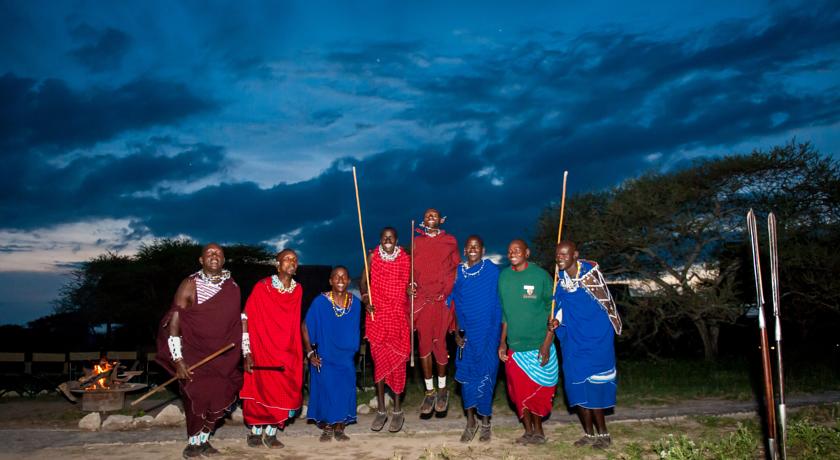
Tanzania is the heart of Swahili culture, a blend of African, Arab, and Persian influences shaped over centuries along the East African coast. From its vibrant language and traditional music to its rich history and delicious cuisine, Swahili culture is an essential part of Tanzania’s identity.
🌍 The Origins of Swahili Culture
The Swahili people, or Waswahili, emerged from centuries of interaction between Bantu-speaking Africans, Arab traders, and Persian merchants along the East African coast. Their culture flourished in coastal cities like Zanzibar, Bagamoyo, Kilwa, and Dar es Salaam, where trade, art, and architecture reflected a mix of influences.
The word Swahili comes from the Arabic word “sawāhil”, meaning “coast”, symbolizing the region’s maritime heritage.
🗣️ Swahili Language (Kiswahili)
Swahili, or Kiswahili, is Tanzania’s national language and one of the most widely spoken languages in Africa. It is a Bantu language infused with Arabic, Persian, Portuguese, and English words due to historical trade and colonial influences.
Basic Swahili Phrases
- Jambo / Habari? – Hello, how are you?
- Asante sana – Thank you very much
- Karibu – Welcome
- Pole pole – Slowly, take it easy
- Hakuna Matata – No worries (made famous by The Lion King!)
Swahili is not just a language; it is a symbol of unity among Tanzania’s diverse ethnic groups.
🎶 Swahili Music & Dance
Swahili culture is known for its rhythmic music and dance styles, deeply influenced by African drums, Arabic melodies, and Indian instruments.
Popular Music Genres:
- Taarab – A fusion of African, Arab, and Indian influences, often performed with traditional instruments like the oud and qanun.
- Bongo Flava – A modern Swahili hip-hop and Afrobeat genre, popular among Tanzanian youth.
- Ngoma – Traditional drum-based music, performed during celebrations and ceremonies.
Dancing is an integral part of Swahili celebrations, with chakacha, mdundiko, and kidumbak being common dance styles.
🍛 Swahili Cuisine: A Taste of Tanzania
Swahili food is a delicious fusion of African, Indian, and Middle Eastern flavors. Coastal cities like Zanzibar are famous for their spices, earning it the name “Spice Island.”
Must-Try Swahili Dishes
- Ugali – Tanzania’s staple maize meal, eaten with meat or vegetables.
- Pilau & Biryani – Spiced rice dishes influenced by Persian and Indian cuisine.
- Chapati – A soft, flatbread served with beans or stew.
- Nyama Choma – Grilled meat, a favorite street food.
- Samaki wa Nazi – Fish cooked in coconut sauce.
- Mandazi – Fried doughnuts, perfect for breakfast.
- Urojo (Zanzibar Mix) – A spicy, tangy street food soup.
Tea (chai ya tangawizi) and freshly squeezed fruit juices are common beverages, along with sugarcane juice and coconut water.
🏛️ Swahili Architecture & Historic Sites
Swahili architecture is characterized by intricate wooden doors, coral stone buildings, and Islamic influences.
Top Swahili Heritage Sites in Tanzania:
- Stone Town, Zanzibar – A UNESCO World Heritage Site with narrow alleys, carved doors, and historic mosques.
- Bagamoyo – A former trading port with colonial buildings and the Caravan Serai Museum.
- Kilwa Kisiwani – Ancient ruins of an Islamic trading city dating back to the 9th century.
These sites tell the story of Tanzania’s Swahili past, from the gold and ivory trade to European colonization.
👗 Swahili Fashion & Traditions
Swahili attire is a mix of African, Arab, and Indian influences.
- Kanga & Kitenge – Colorful, patterned fabrics worn by women, often with Swahili proverbs printed on them.
- Kanzu – A white robe worn by Swahili men, especially during religious and cultural ceremonies.
- Henna (Peko) Art – Women decorate their hands and feet with henna for weddings and festivals.
Swahili traditions are deeply connected to Islamic customs, with Eid celebrations, weddings, and storytelling being major cultural events.
📅 Swahili Festivals & Celebrations
Swahili people love gatherings, storytelling, and music festivals. Some of the most famous Swahili cultural events include:
- Zanzibar International Film Festival (ZIFF) – A celebration of Swahili culture through film, music, and arts.
- Mwaka Kogwa Festival (Zanzibar) – A New Year celebration featuring rituals, songs, and stick fights.
- Eid al-Fitr & Eid al-Adha – Major religious festivals with feasting, prayers, and family gatherings.
These festivals showcase the warmth and hospitality of Swahili culture.
🛍️ Swahili Handicrafts & Souvenirs
Looking for the perfect Swahili souvenir?
- Hand-carved Zanzibar doors & wooden carvings
- Maasai beadwork & jewelry
- Kanga & Kitenge fabrics
- Spices from Zanzibar
- Handwoven baskets & mats
Swahili craftsmanship is a blend of art, storytelling, and tradition.
🤝 Experience Swahili Culture Firsthand!
Swahili culture is welcoming, diverse, and deeply rooted in Tanzania’s identity. Whether you’re exploring Stone Town, tasting Zanzibari cuisine, or learning Kiswahili, you’ll experience Tanzania’s rich heritage like never before.
✨ Karibu Tanzania! (Welcome to Tanzania!) ✨